
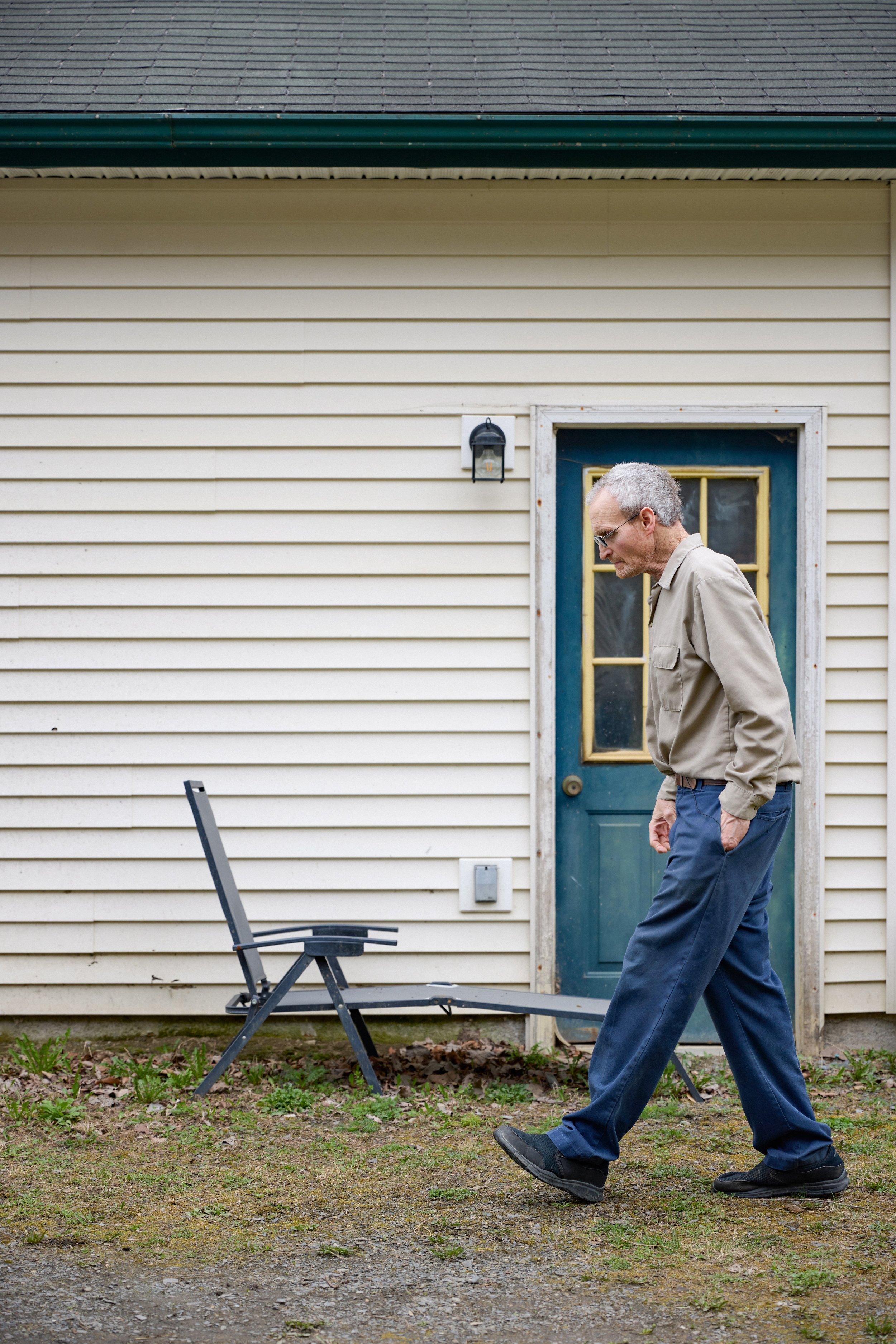
When Parkinson's strikes her husband and neighbors, a filmmaker investigates a toxic secret in their valley, confronting a chemical giant's decades of deceit.
Where The Sweet Birds Sang examines how the chemicals we rely on to grow our food have consequences far beyond their intended use—shaping public health, environmental safety, and the lives of our loved ones. While this story originates in a singular love between a husband and wife, its implications reach far wider, raising questions that affect us all.
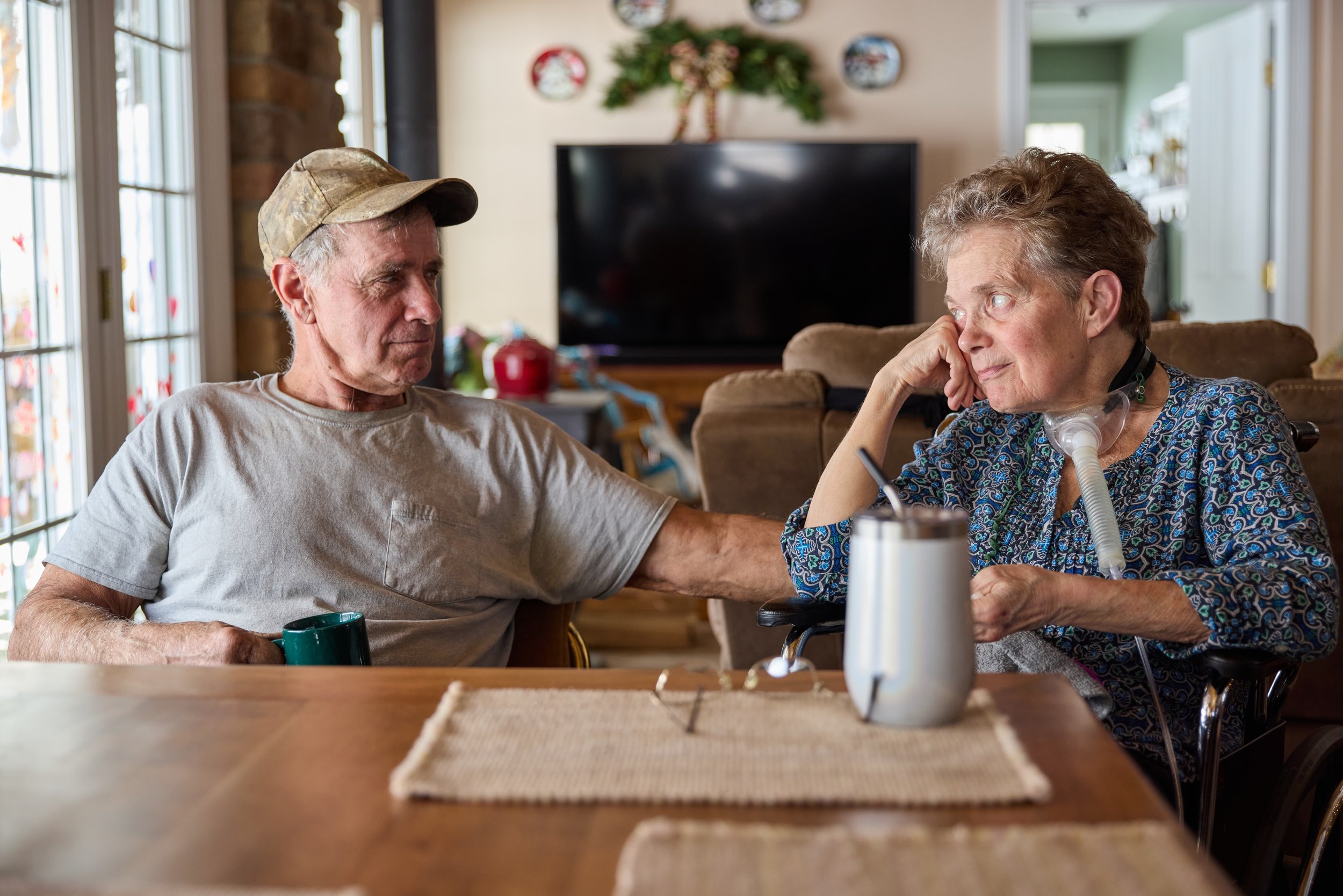
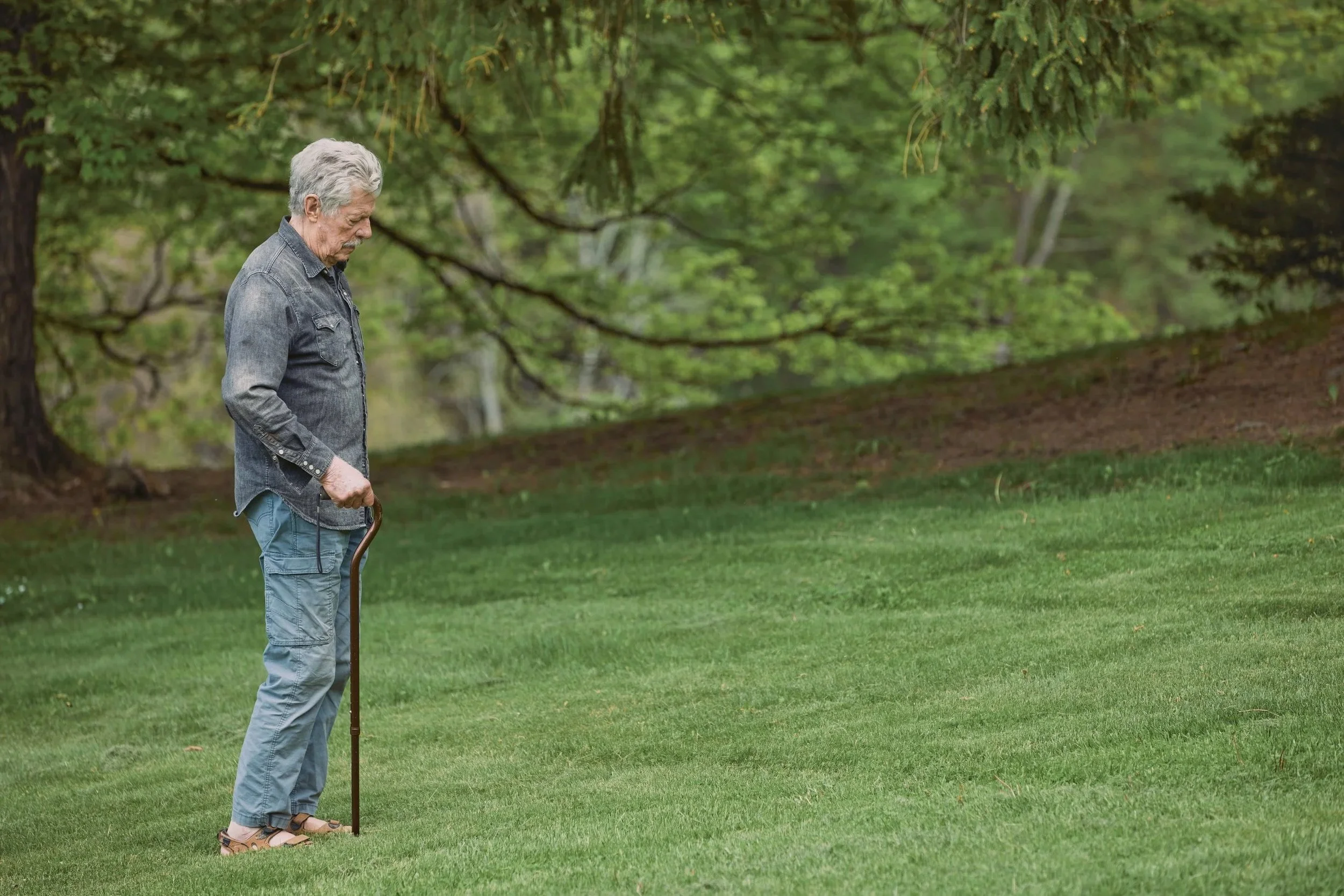
Parkinson’s is the fastest growing neurological disorder in the world.
But we have the power to minimize the environmental toxins causing this Parkinson’s pandemic.
Growing scientific evidence links certain pesticides—particularly paraquat, among the most common and toxic weedkillers on the market—to Parkinson's, but this connection is rarely part of the public conversation.
Where The Sweet Birds Sang is a tool for advocacy—helping communities and policy-makers engage in conversations about the impact of pesticides and Parkinson’s disease.
Think-Film is a world-leading film impact organization, working at the cutting-edge of storytelling and measurable policy action and social change.
Together with Think-Film and our partners, we’ve embarked on a campaign to ban paraquat and protect future generations from toxic exposures.
We believe that:
Preventable environmental exposures should not contribute to neurological disease.
Young people and future generations should not inherit avoidable toxic risks.
Consumers should know how their food is grown, and what chemicals are used.
Support outreach

Our partners
Contact us to join our campaign as a partner!
Invest in a healthier future.
Interested in hosting a private screening for your classroom or community? We’ve got you covered. Sign up to host on Kinema, and we’ll reach out with everything you need.
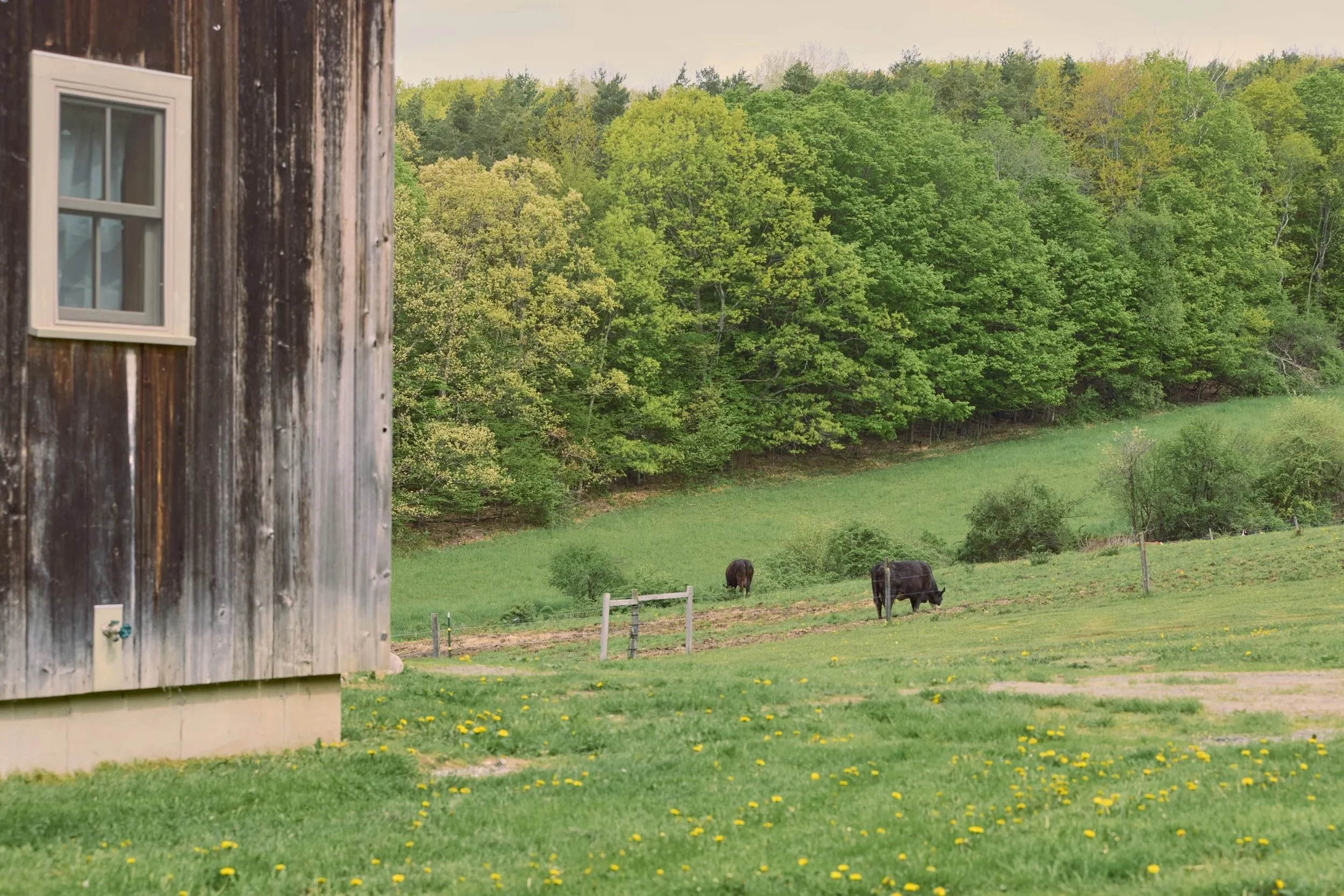
It takes a village.
Get to know the experts who informed Where The Sweet Birds Sang.
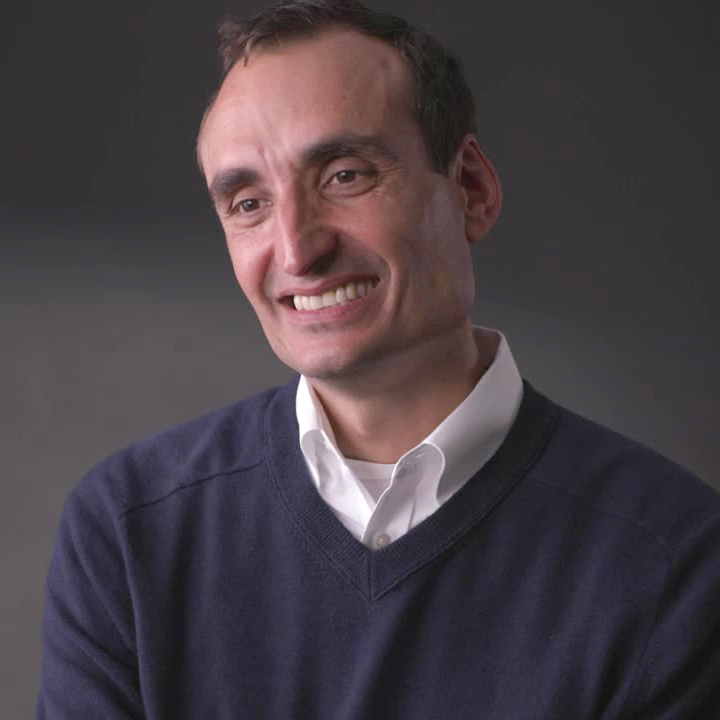
Ray Dorsey, Neurologist
Dr. Ray Dorsey is one of the world’s most read, cited, and followed neurologists. With his colleagues, he wrote Ending Parkinson’s Disease: A Prescription for Action, a book that provides a prescription for preventing and ending Parkinson’s. His new book – The Parkinson’s Plan - debuted at #5 on the New York Times best seller list.
Dr. Ray Dorsey is a practicing neurologist at Atria Health and Research Institute in New York. He is also the director of Atria’s Center for the Brain & the Environment, a nonprofit research initiative that investigates the environmental causes of brain diseases, including Parkinson’s, Alzheimer’s, and more.
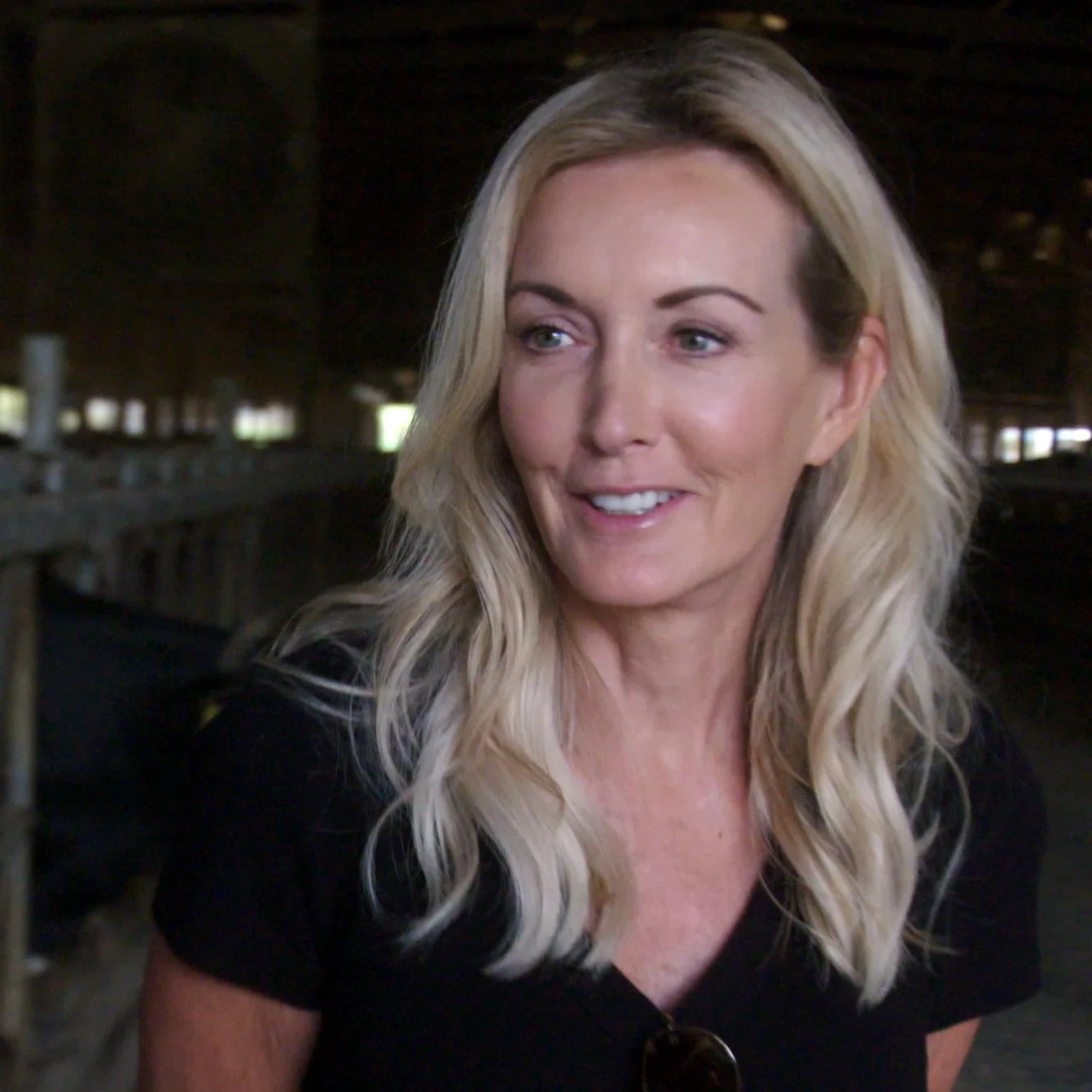
Carey Gillam, Investigative Journalist
Carey Gillam is an American investigative journalist and author with more than 30 years of experience covering food and agricultural policies and practices. Her first book Whitewash - The Story of a Weed Killer, Cancer and the Corruption of Science was released in October 2017, and won the Rachel Carson Book Award from the Society of Environmental Journalists. Carey's second book, The Monsanto Papers - Deadly Secrets, Corporate Corruption, and One Man's Search for Justice, was released March 2, 2021.
After leaving Reuters, Carey spent six years (2016-2021) working as a reporter and data researcher for the public health investigative research group U.S. Right to Know. She currently writes as a contributor for The Guardian, and is managing editor of The New Lede, a journalism initiative of the Environmental Working Group.
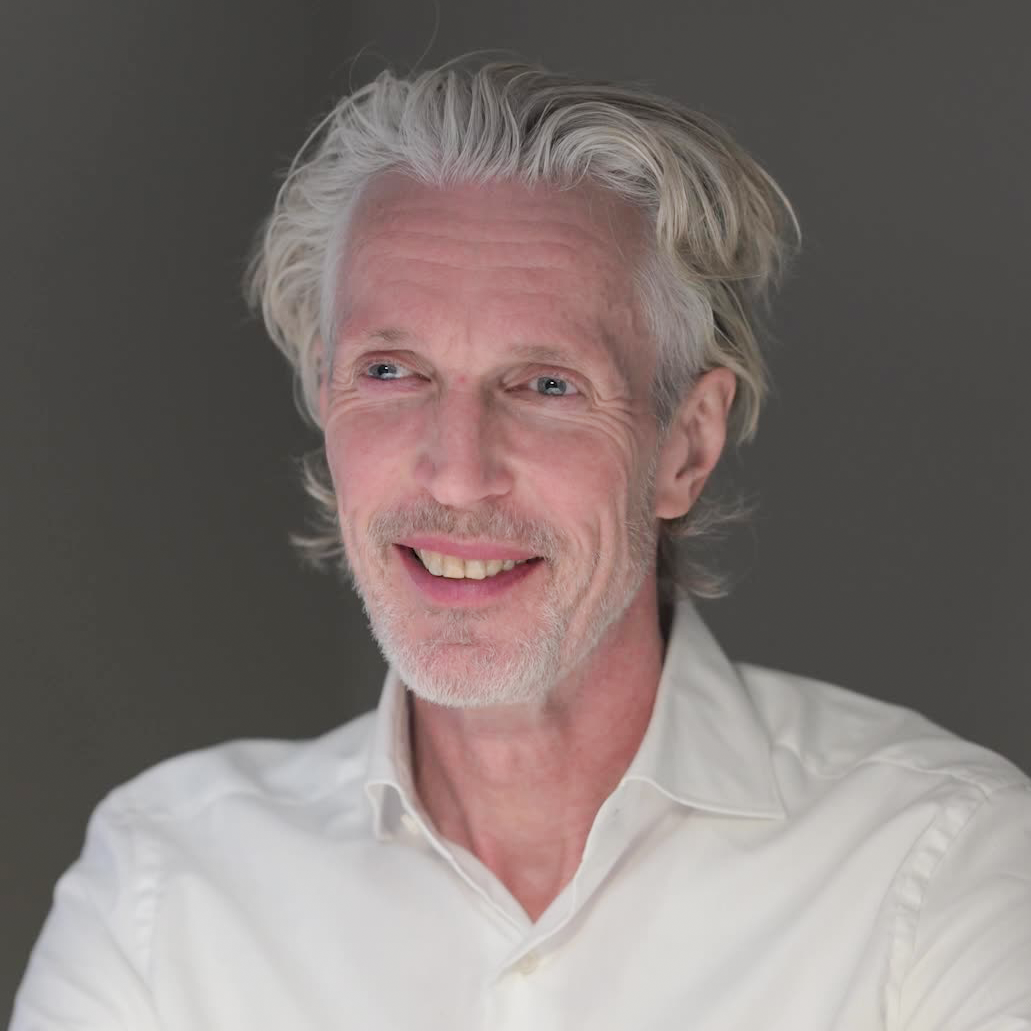
Bas Bloem, Neurologist
Bas Bloem is a consultant neurologist in the department of neurology, Radboud University Medical Center, Nijmegen, The Netherlands. Since 2018, he has been working on the relationship between Parkinson’s and exposure to toxins in our environment. Along with Ray Dorsey, Bas was a coauthor on Ending Parkinson’s Disease. He has published more than 750 peer-reviewed papers, and is ranked among the top 1% most cited scientists in the world. In 2025, Bas was awarded the Pritzker Prize for Leadership in Parkinson’s Research.
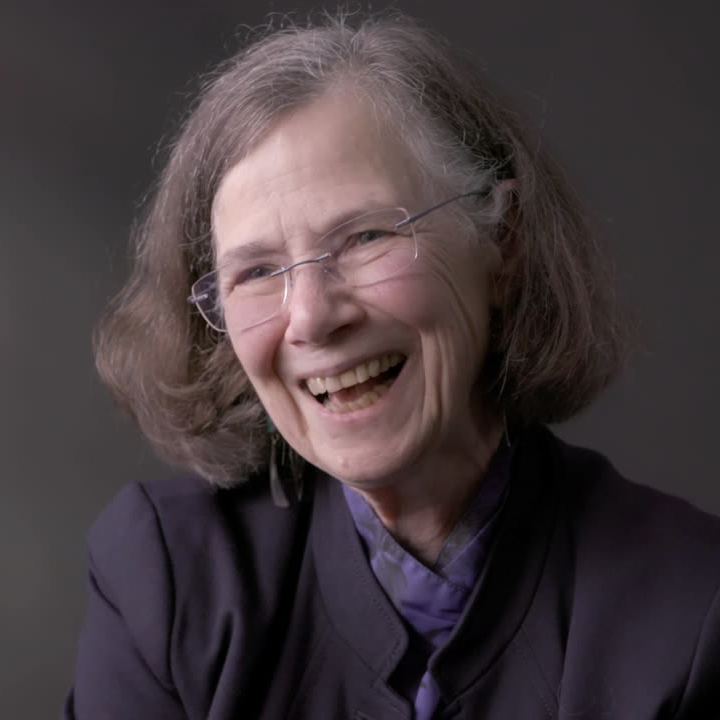
Caroline Tanner, Neurologist
Caroline “Carlie” Tanner is the Director of the Parkinson’s Disease Research, Education, and Clinical Center (PADRECC) at the San Francisco Veterans Affairs Medical Center. She is also Professor of Neurology at the University of California - San Francisco. For more than 25 years, her research and clinical practice have been directed toward understanding the causes of Parkinson’s disease and to developing better treatments.
In 2020, Carlie was awarded the Tom Isaacs award for her impact on the lives of those living with Parkinson’s.
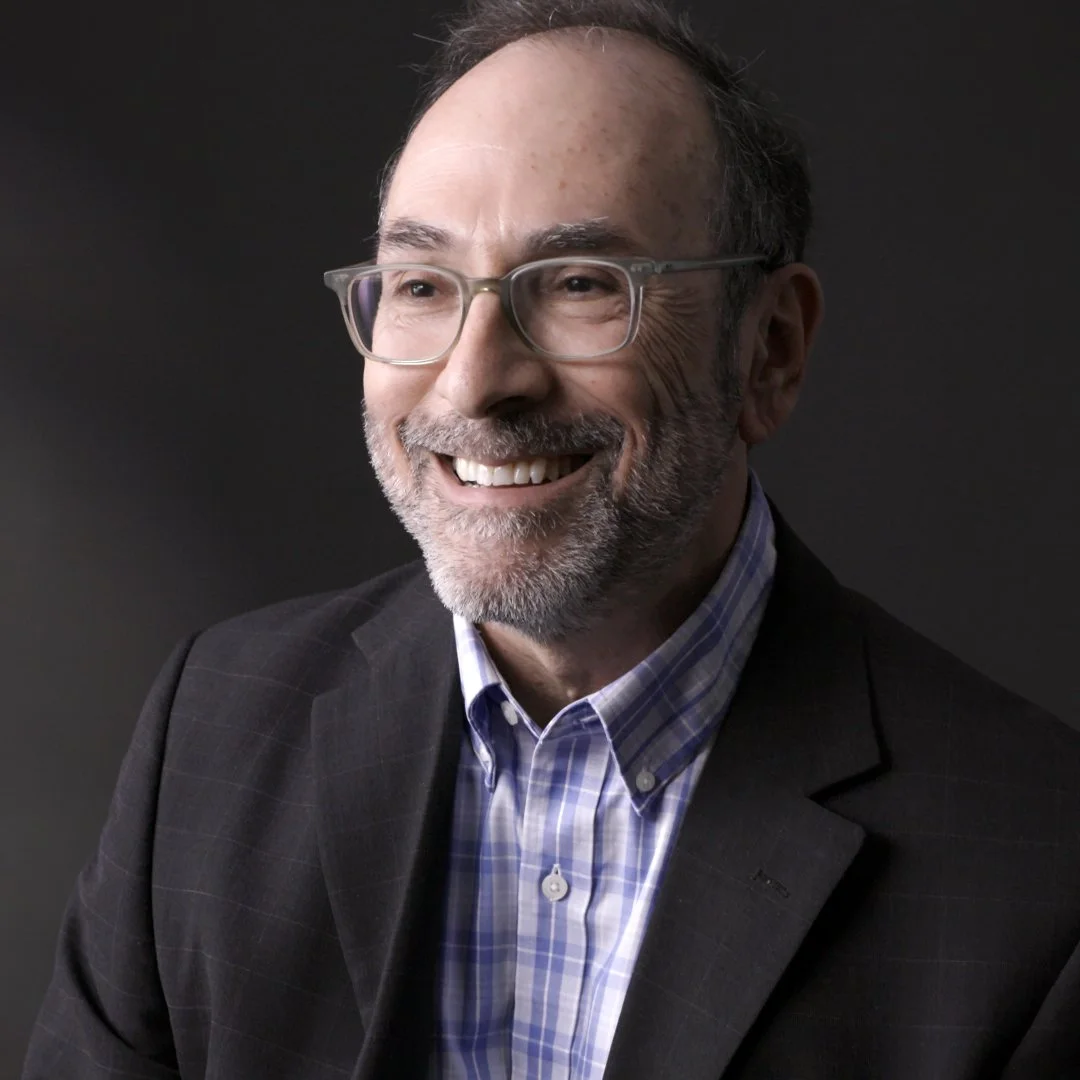
Sam Goldman, Neurologist
Sam Goldman is a professor at the University of California, San Francisco in the Division of Occupational and Environmental Medicine and the Department of Neurology.
He has published extensively on the epidemiology of Parkinson’s disease with a focus on elucidating potential environmental risk factors and on the interaction of these risk factors with genetic susceptibility. His recent work has focused on identifying and characterizing clinical features of very early Parkinson’s disease.
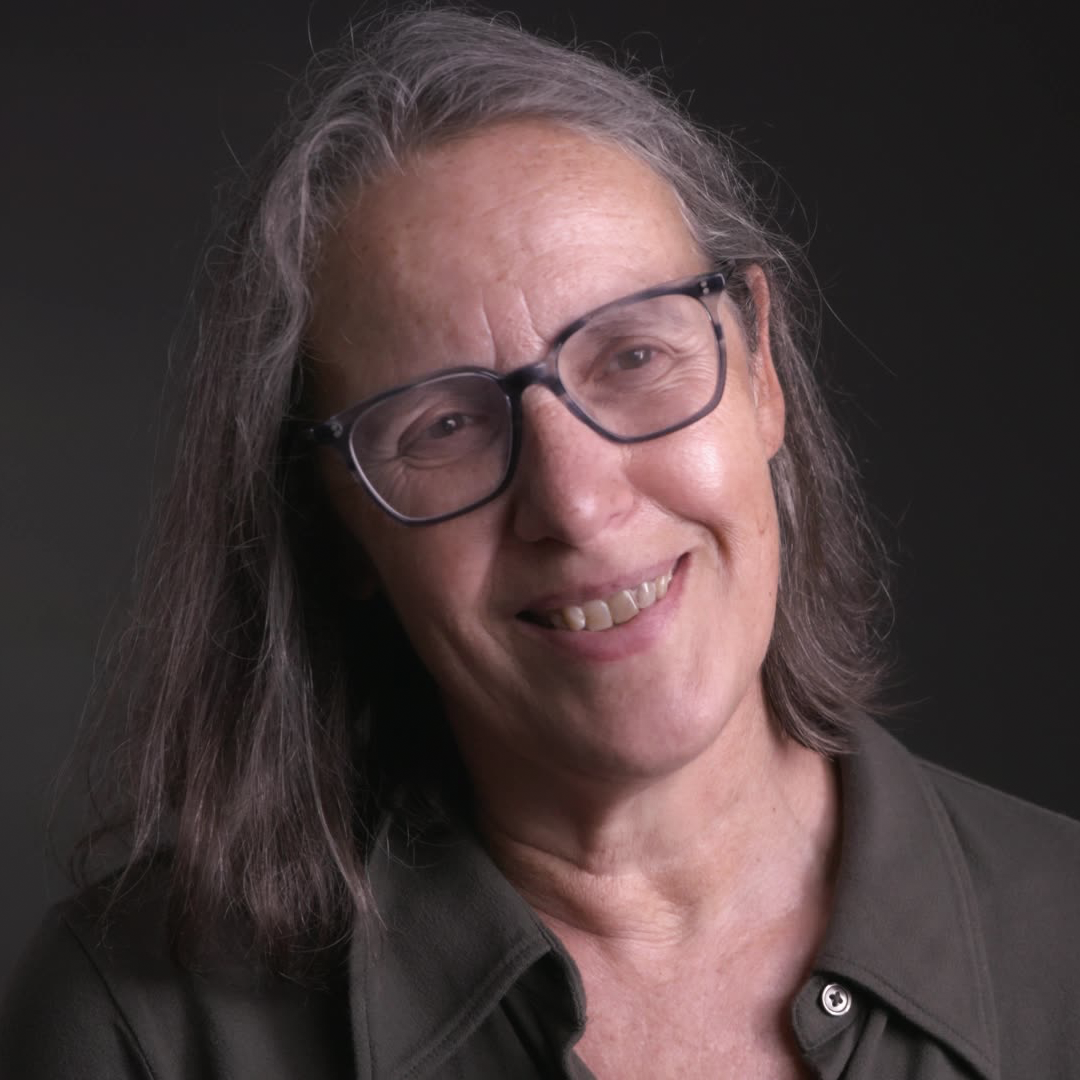
Patricia Limousin, Neurologist
Patricia Limousin is a French neurologist recognized for her contributions to the treatment of movement disorders, particularly through deep brain stimulation (DBS). She was the first neurologist to switch on bilateral deep brain stimulation to the subthalamic nucleus, leading to marked improvements of Parkinson's Disease, with a treatment that has now been applied in over 200,000 patients world-wide. She currently serves as a professor of clinical neurology and honorary consultant neurologist at the National Hospital for Neurology & Neurosurgery in London
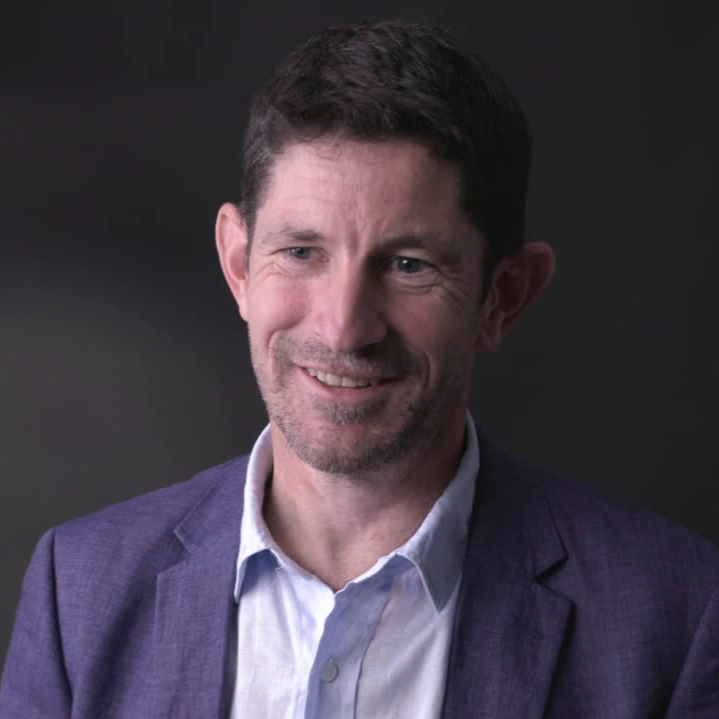
Tom Foltynie, Neurologist
Thomas Foltynie, PhD, MD, MRCP, is an academic neurologist at the National Hospital for Neurology and Neurosurgery and the University College London (UCL) Institute of Neurology. He trained in medicine at UCL then undertook his PhD and his neurology training at the University of Cambridge. Prof. Foltynie leads major research projects in Parkinson’s disease.
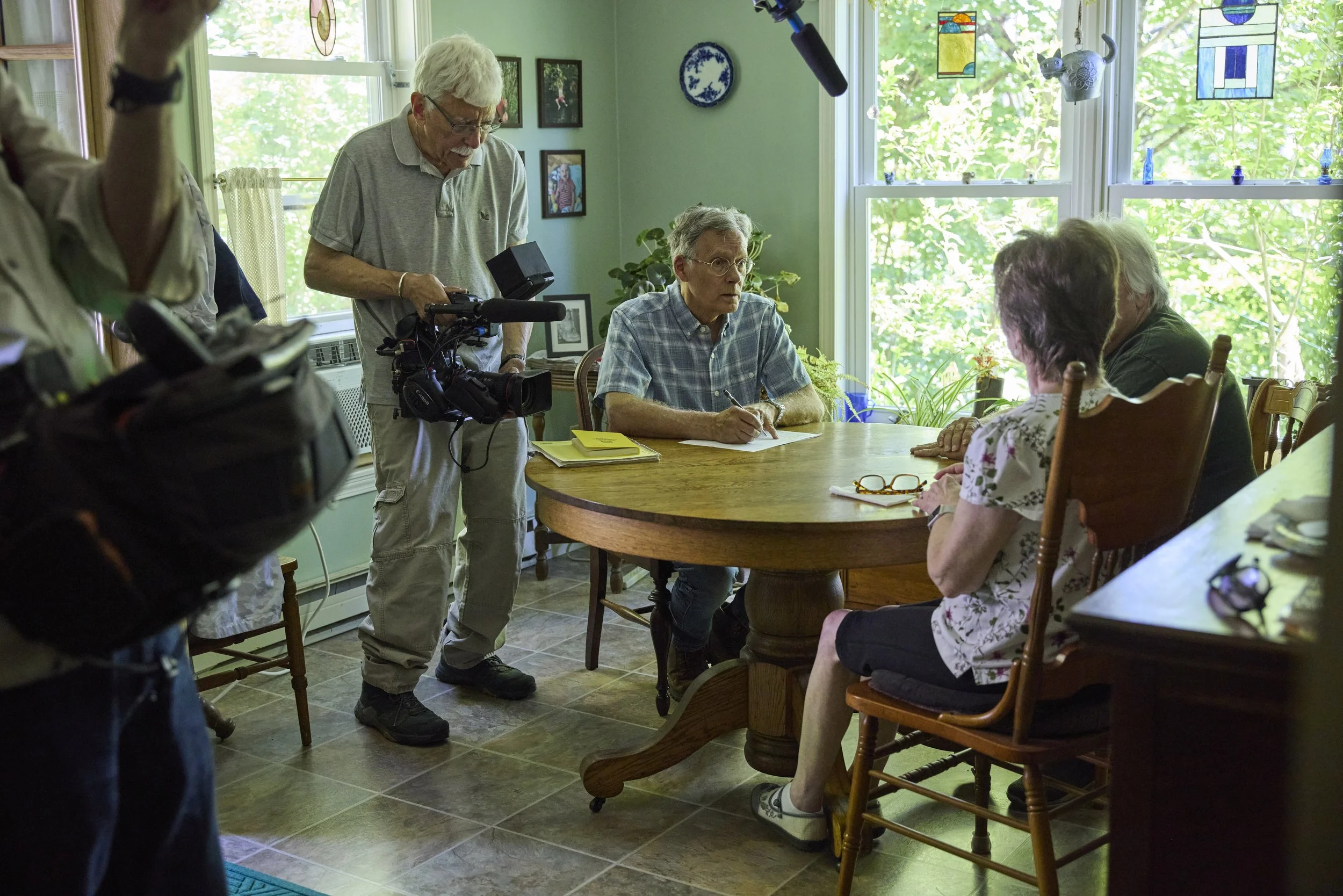
The personal is political.
Get to know the filmmakers behind Where The Sweet Birds Sang.
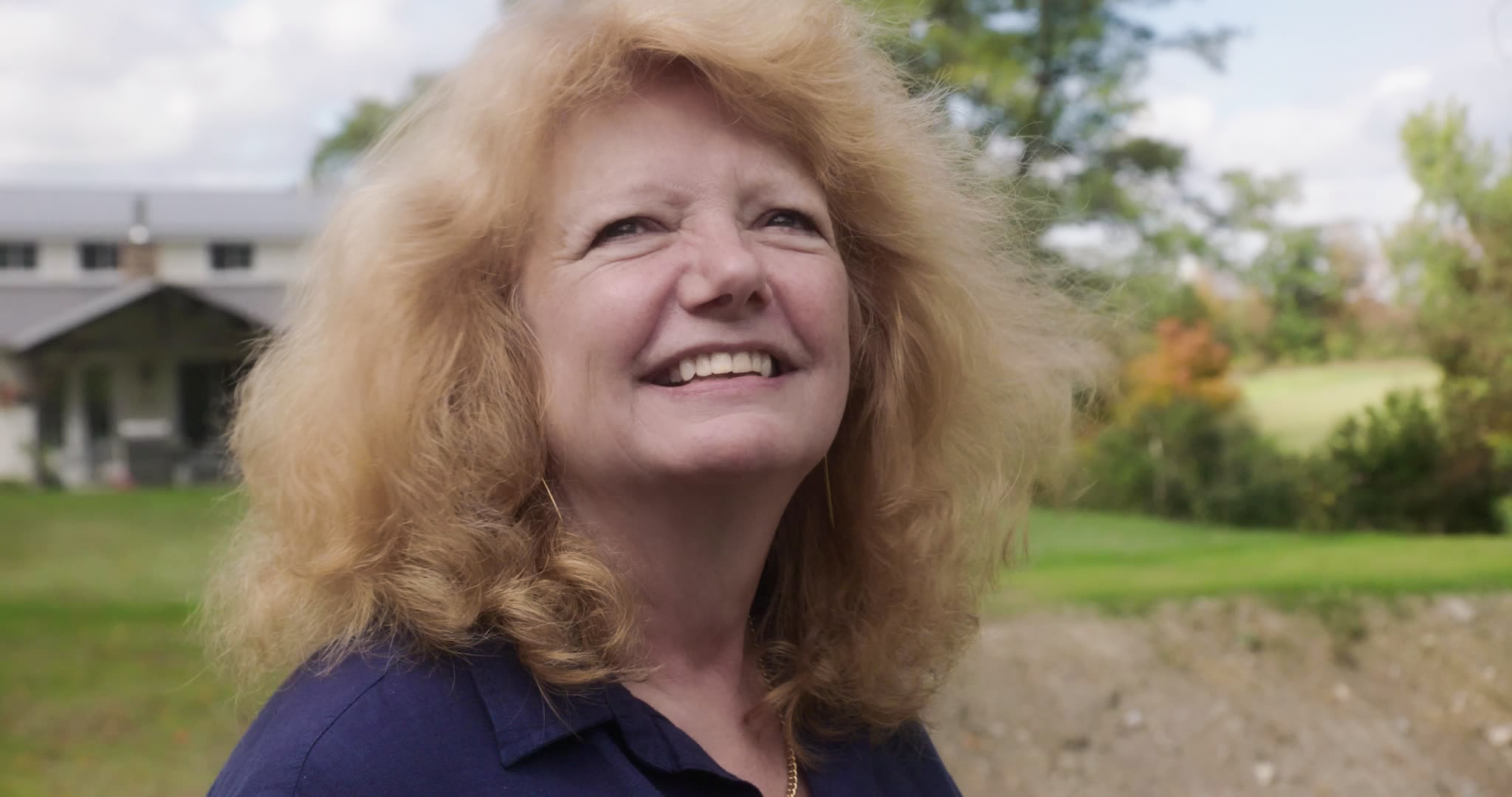
Sarah Teale, Director & Producer
Sarah Teale was the producer/Director for HBO’s documentary Kill Chain: The Cyber War on America’s Elections which was nominated for an Emmy for Outstanding investigative Documentary in 2021 and the HBO series The Weight of the Nation, which was nominated for a Prime Time Emmy.
HBO films she produced and directed include Dealing Dogs (Emmy nomination for Outstanding Investigative Documentary); Hacking Democracy (Emmy nomination for Outstanding investigative Documentary); Death on a Factory Farm; Bellevue: Inside Out and Mumia Abu Jamal: A Case for Reasonable Doubt? (Cable Ace Award nomination).
She has also produced and directed documentaries for the BBC, A&E and Discovery. She recently produced the feature documentaries Grazers: A Cooperative Story with Lisa F. Jackson, distributed by Collective Eye and Passion River and Patrimonio, which premiered at the Berlin International Film Festival and Full Frame and is distributed by First Run Features.
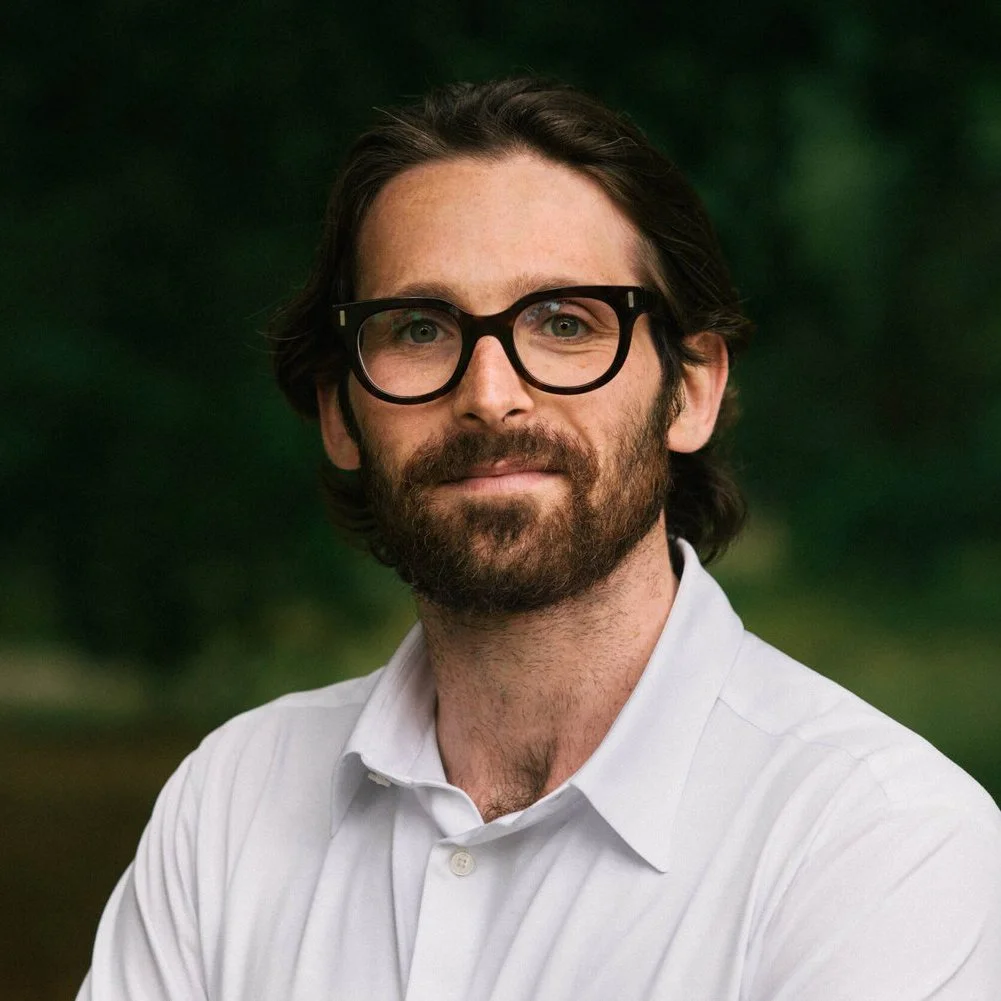
Max Peltz, Producer
Max Peltz is an Emmy-nominated film and television producer, best known for producing the Netflix Original How to Rob a Bank (two weeks at Global Top 10).
Previously, Max wrote and produced In the Cold Dark Night (Emmy nominated for Outstanding Writing Documentary), that aired on ABC, Hulu, and Sky Documentaries, and was later released on BET+ as a four-part series. He then produced Bad Hombres for Showtime and the cybersecurity series hacker:HUNTER, which was viewed by more than 12 million people between 2019 and 2023.
Max is an Executive Producer on Balomania, which premiered to wide acclaim at CPH:DOX in 2024 and has received multiple award nominations, including Best Documentary Feature at the 2025 Robert Awards. He is also a Co-Executive Producer on the three-part docuseries Fugitive: The Mystery of the Crypto Queen, released on Channel 4 in July 2024, and a Consulting Producer on the eco-thriller Rhino, narrated by Tom Hardy and released theatrically in November 2025.
Max is a voting BAFTA member and began his career working with award-winning producer Lawrence Elman and BBC Storyville commissioning editor Nick Fraser.
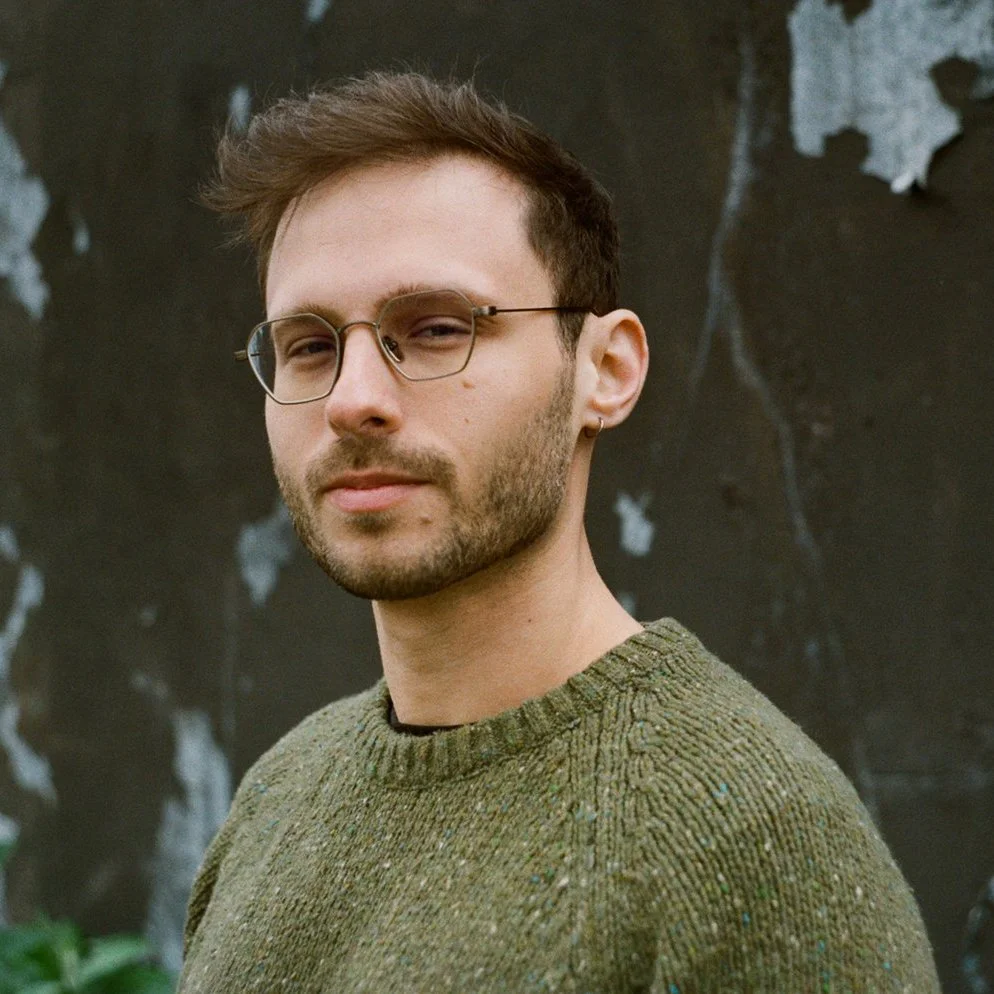
Maxim Gertler-Jaffe, Producer
Maxim Gertler-Jaffe is an Emmy-nominated filmmaker whose work spans documentary, scripted, and multimedia storytelling. Most recently, he produced How to Rob A Bank, a Global Top 10 hit on Netflix. In 2022, Maxim co-directed the multimedia short-form documentary Chinatown 2050 with architect and artist Linda Zhang. The project premiered at DOXA and SDAFF, with a VR version featured at Toronto’s Nuit Blanche.
Maxim has played a key role in the development and production of acclaimed feature documentaries, including All Governments Lie, which screened at TIFF and IDFA, enjoyed a North American theatrical run, and was broadcast internationally. He also contributed to The Truth is in the Stars, a Netflix acquired documentary following William Shatner as he interviews celebrity trekkies such as Stephen Hawking, Ben Stiller, and Whoopi Goldberg.
Beyond documentaries, Maxim co-created the award-winning short scripted series World Away. Additionally, he has produced, directed, and edited promotional and campaign videos for prominent clients like CBC Television and the Writers’ Trust of Canada.
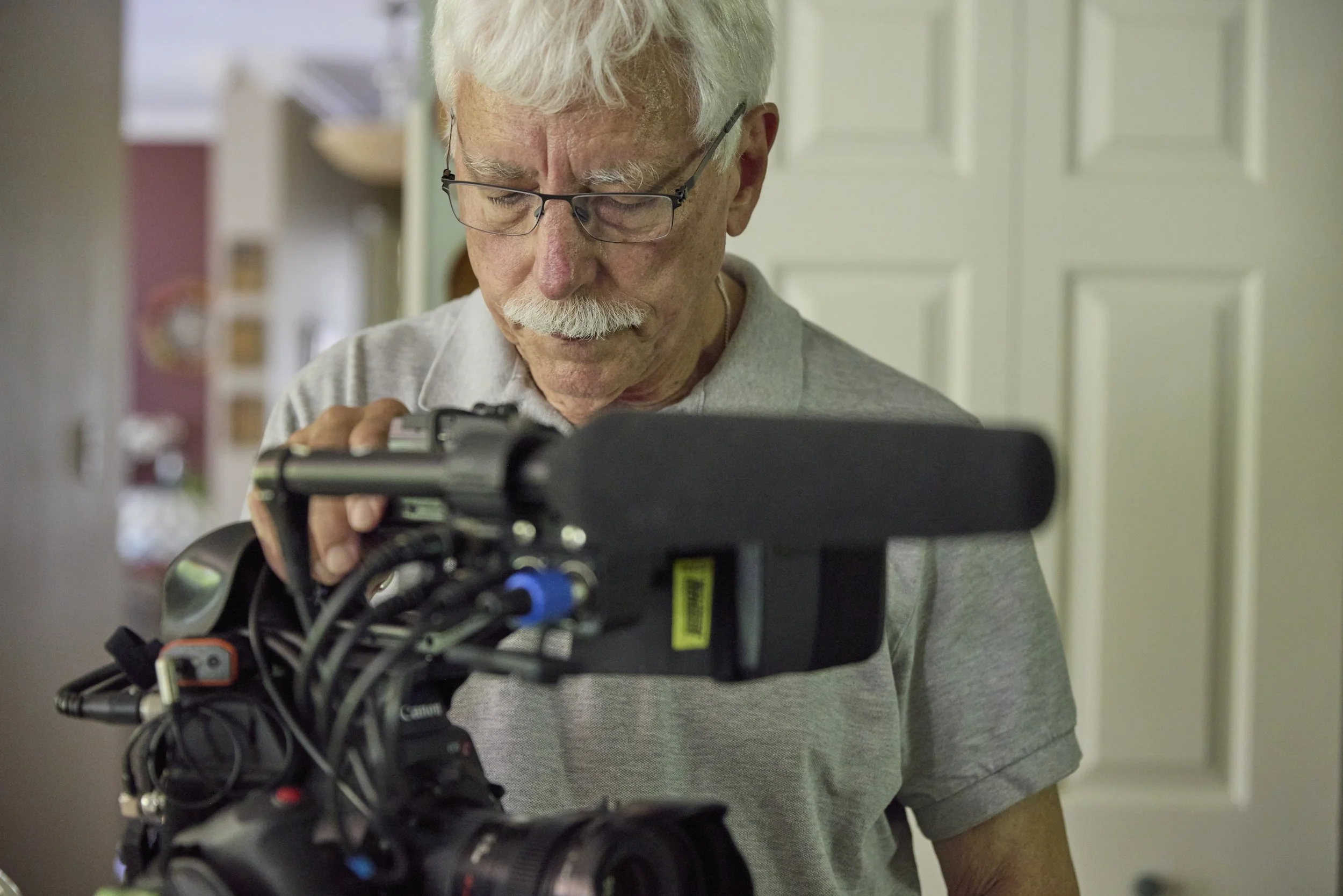
Tom Hurwitz, Director of Photography
Tom Hurwitz, ASC Has been a director and cameraman for over 40 years. He is one of America’s most honored documentary cinematographers, the first documentarian to be inducted into the American Society of Cinematographers (ASC). Hurwitz is the recipient of the 2024 Peabody Award for directing the documentary, Can You Bring It (PBS, Amazon). He has also won two Emmy Awards, the Sundance and Jerusalem Film Festival Awards for Best Cinematography, and has photographed films that have won four Academy Awards and several more nominations (most recently for Dancemaker and Killing in the Name). Most recently his Starman is opening this year’s SXSW film festival in Austin, TX. He has taught for decades on the film faculties of NYU and The School of Visual Arts.
Healthy foods.
Healthy minds.
Healthy futures.
Join us in creating a healthier future.